Why Pre-Purchase Property Inspections Matter: Home Buyer Inspection Tips

Buying a home is one of the biggest decisions you will make. It involves a significant financial commitment and emotional investment. That is why I always recommend getting a thorough inspection before you finalize the purchase. A home inspection helps you understand the true condition of the property. It gives you peace of mind and helps you avoid costly surprises later.
Understanding Home Buyer Inspection Tips
When you start looking at homes, it is easy to get caught up in the excitement. You might overlook small issues that could turn into big problems. That is where home buyer inspection tips come in handy. These tips help you focus on what matters most during the inspection process.
First, always hire a qualified and experienced inspector. They know what to look for and can spot hidden defects. Second, attend the inspection if possible. Seeing the issues firsthand helps you understand the report better. Third, ask questions. A good inspector will explain their findings clearly and calmly.
Remember, the goal is to get a clear picture of the property’s condition. This knowledge empowers you to make informed decisions.
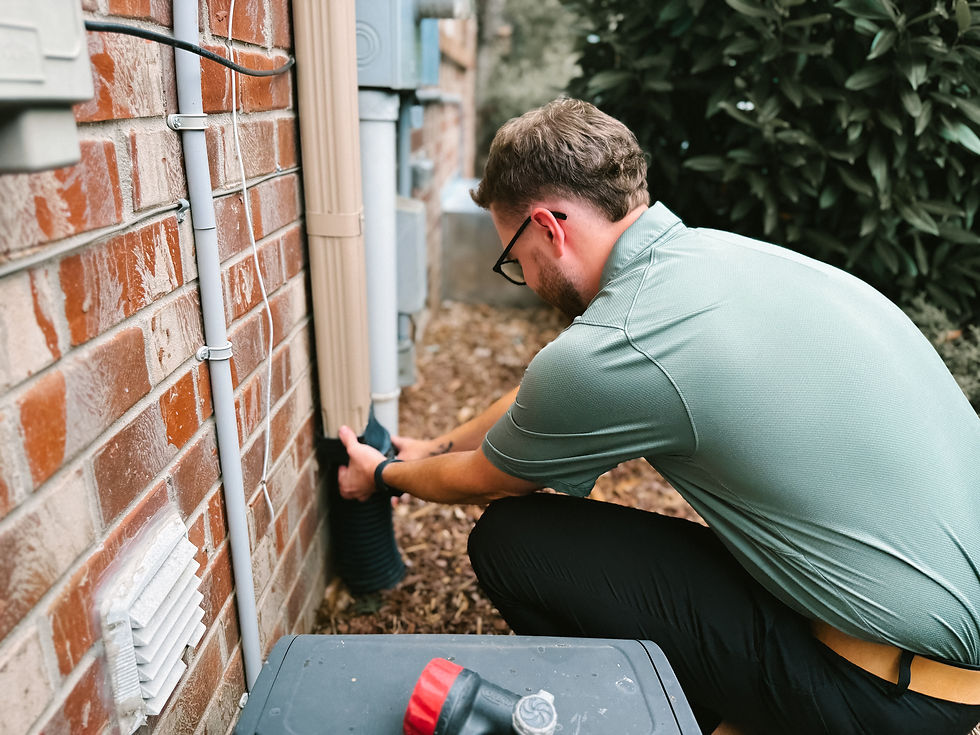
What Does a Home Inspection Cover?
A home inspection is a detailed review of the property’s major systems and components. It covers the roof, foundation, plumbing, electrical systems, heating and cooling, walls, ceilings, floors, windows, and doors. The inspector looks for signs of damage, wear, or safety hazards.
For example, they check the roof for missing shingles or leaks. They inspect the foundation for cracks or settling. They test the electrical outlets and circuit breakers. They examine the plumbing for leaks or corrosion. They also assess the HVAC system’s functionality.
The inspection report will list all findings, including minor issues and urgent repairs. This report is your guide to understanding the home’s condition.
Why a Pre Purchase Property Inspection Is Essential
A pre purchase property inspection is not just a formality. It is a critical step that protects your investment. Without it, you risk buying a home with hidden defects that can cost thousands to fix.
For instance, imagine buying a house only to discover a leaking roof after the sale. Repairing it could be expensive and stressful. Or you might find out the electrical wiring is outdated and unsafe. These problems could have been identified during the inspection.
The inspection also gives you leverage in negotiations. If the report reveals issues, you can ask the seller to make repairs or lower the price. This can save you money and prevent future headaches.

How to Prepare for Your Home Inspection
Preparation is key to getting the most out of your home inspection. Here are some practical steps you can take:
Review the inspection contract - Understand what is included and excluded.
Make a list of concerns - Note any specific areas you want the inspector to focus on.
Be present during the inspection - Walk through the home with the inspector and ask questions.
Take notes and photos - Document important points for your reference.
Review the report carefully - Read the findings and ask for clarification if needed.
By preparing well, you ensure the inspection process is smooth and informative.
What to Do After the Inspection
Once you receive the inspection report, take time to review it thoroughly. Prioritize the issues based on severity and cost. Some repairs may be minor and easy to fix. Others might require professional help or significant investment.
Discuss the findings with your real estate agent or advisor. Decide if you want to negotiate repairs with the seller or adjust your offer. In some cases, you might choose to walk away from the deal if the problems are too serious.
Remember, the inspection is your tool to make a confident decision. Use it wisely.
Building Confidence in Your Home Purchase
A home inspection is more than a checklist. It is a way to build confidence in your purchase. Knowing the home’s condition helps you plan for maintenance and future upgrades. It also reduces stress by eliminating unknowns.
At Summit Hill Inspections, we focus on clear, construction-informed insights. Our detailed reports help you understand every aspect of the property. We want you to feel secure and informed as you move forward.
Taking the time for a thorough inspection is a smart step. It protects your investment and supports your journey to homeownership.
By following these home buyer inspection tips and prioritizing a professional inspection, you set yourself up for success. A well-informed purchase leads to a happier, safer home.


Comments