What to Expect During Your Home Inspection

Buying a home is one of the most significant investments you will ever make. It’s not just about finding the right neighborhood or the perfect layout; it’s also about ensuring that the property is in good condition. This is where a home inspection comes into play. Understanding what to expect during your home inspection can help you make informed decisions and avoid costly surprises down the road.
What is a Home Inspection?
A home inspection is a thorough examination of a property's condition, typically conducted by a certified inspector. The inspector evaluates various aspects of the home, including its structure, systems, and components. The goal is to identify any existing issues or potential problems that could affect the property's value or your safety.
Why is a Home Inspection Important?
Uncover Hidden Issues: Many problems may not be visible during a casual walkthrough. A home inspection can reveal issues like mold, structural damage, or faulty wiring.
Negotiate Repairs: If the inspection uncovers significant issues, you can negotiate repairs or a price reduction with the seller.
Peace of Mind: Knowing the condition of your future home can provide peace of mind, allowing you to move forward with confidence.
The Home Inspection Process
Scheduling the Inspection
Once your offer is accepted, the first step is to schedule the home inspection. It’s advisable to do this as soon as possible to allow time for negotiations if issues arise. You can find a qualified inspector through recommendations from your real estate agent or online reviews.
What Happens During the Inspection?
Arrival and Introduction
When the inspector arrives, they will introduce themselves and explain the process. This is a good time for you to ask any questions you may have.
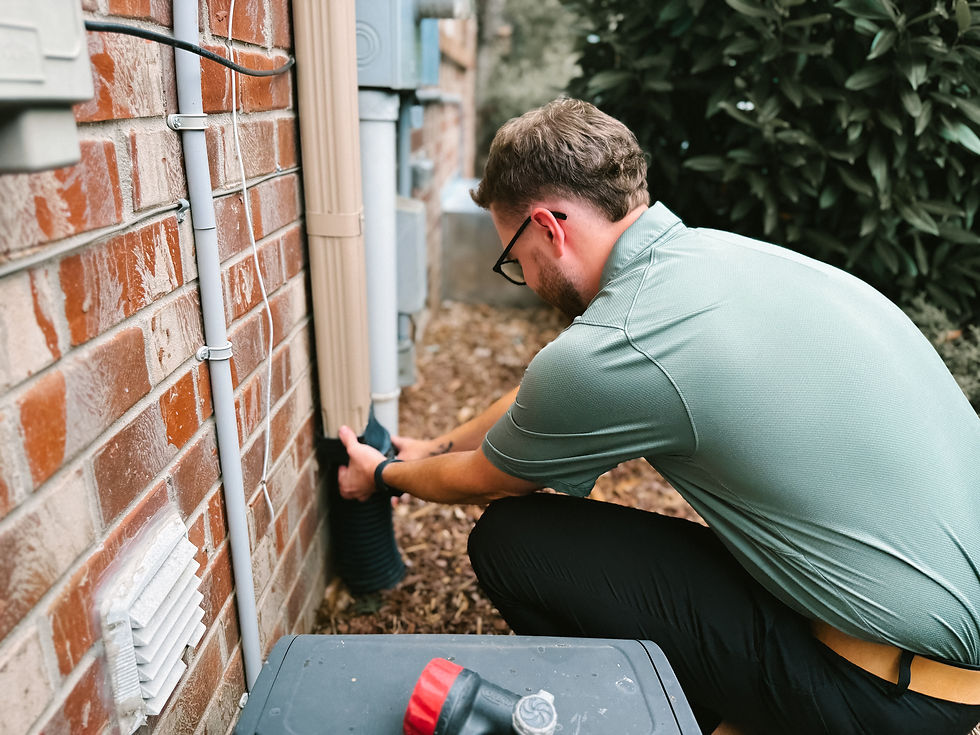
Exterior Inspection
The inspector will start with the exterior of the home. They will look at:
Roof: Checking for missing shingles, leaks, or structural issues.
Foundation: Inspecting for cracks or signs of settling.
Siding and Windows: Looking for damage, rot, or signs of water intrusion.
Landscaping: Evaluating drainage and vegetation that may affect the home.
Interior Inspection
Next, the inspector will move inside to examine:
Plumbing: Checking for leaks, water pressure, and the condition of pipes.
Electrical Systems: Inspecting outlets, wiring, and the electrical panel for safety.
HVAC Systems: Evaluating heating and cooling systems for functionality.
Attic and Basement: Looking for insulation, ventilation, and signs of moisture or pests.
Final Walkthrough
After the inspection, the inspector will conduct a final walkthrough with you to discuss their findings. This is your opportunity to ask questions and gain a better understanding of any issues discovered.

Common Issues Found During Home Inspections
While every home is unique, there are several common issues that inspectors frequently encounter:
Roof Problems
Missing Shingles: This can lead to leaks and water damage.
Improper Installation: Poorly installed roofs may not last as long as expected.
Plumbing Issues
Leaky Pipes: Can cause water damage and mold growth.
Old Fixtures: Outdated plumbing fixtures may need replacement.
Electrical Concerns
Outdated Wiring: Homes with old wiring may not meet current safety standards.
Insufficient Outlets: This can lead to overloading circuits.
HVAC System Failures
Old Units: Aging heating and cooling systems may need replacement.
Poor Maintenance: Lack of regular maintenance can lead to inefficiencies.
Preparing for Your Home Inspection
Before the Inspection
To ensure a smooth inspection process, consider the following steps:
Clear Access: Make sure the inspector has access to all areas of the home, including the attic, basement, and crawl spaces.
Provide Documentation: If you have any records of repairs or maintenance, share them with the inspector.
Be Available: If possible, be present during the inspection to ask questions and gain insights.
During the Inspection
Stay engaged during the inspection. Ask questions and take notes on any issues that arise. This information will be valuable when discussing repairs or negotiating with the seller.
After the Inspection
Reviewing the Report
Once the inspection is complete, the inspector will provide a detailed report outlining their findings. This report typically includes:
Photographs: Visual documentation of issues.
Descriptions: Detailed explanations of problems and potential solutions.
Recommendations: Suggestions for repairs or further evaluations.
Next Steps
After reviewing the report, you have several options:
Negotiate Repairs: Discuss any significant issues with the seller and negotiate repairs or a price reduction.
Request Further Evaluations: If major issues are found, you may want to hire specialists for further evaluations.
Walk Away: If the inspection reveals serious problems that you are not willing to deal with, you can choose to walk away from the deal.
Conclusion
A home inspection is a crucial step in the home-buying process. By understanding what to expect, you can navigate this experience with confidence. Remember, the goal is to ensure that your new home is safe, sound, and a good investment. Take the time to prepare, engage with the inspector, and review the findings carefully. This diligence will pay off in the long run, helping you make informed decisions about your new home.
By being proactive and informed, you can turn the home inspection process into a valuable opportunity to protect your investment and ensure your new home meets your expectations.


Comments